
Mind & Microbiome Research
Mind & Microbiome Research
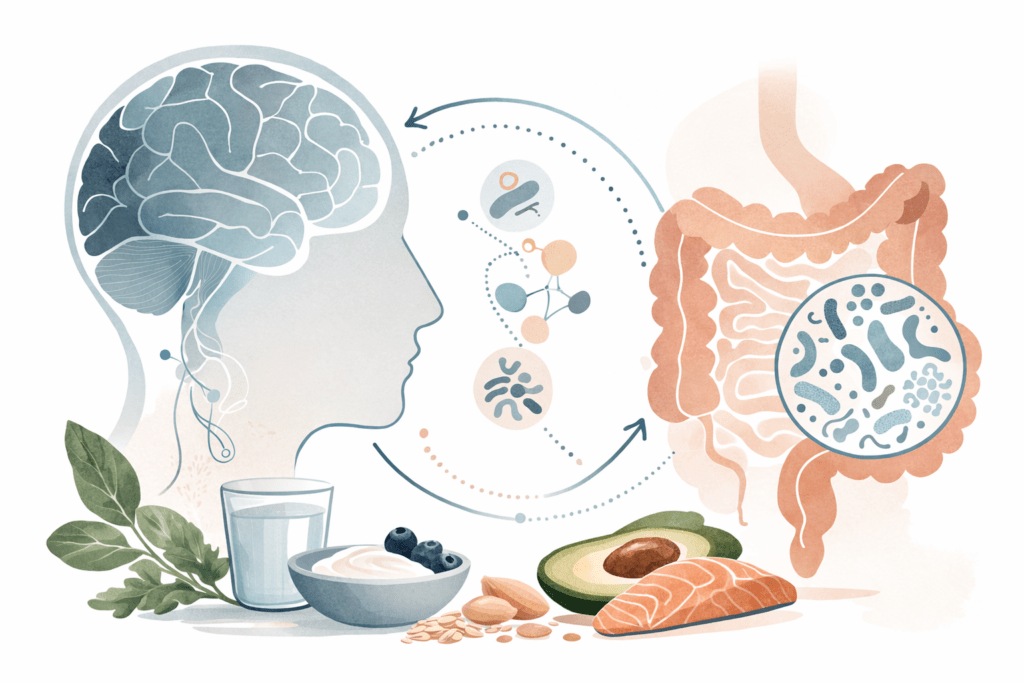
Mental health is inextricably linked to the gut microbiome. The gut-brain axis plays an important role in mental well-being through the production of neurotransmitters.
With the Mind & Microbiome package, you receive objective and scientifically substantiated biological data that helps to treat mental health issues in a more targeted and effective way.
A comprehensive report and advice for €220 excl. VAT.
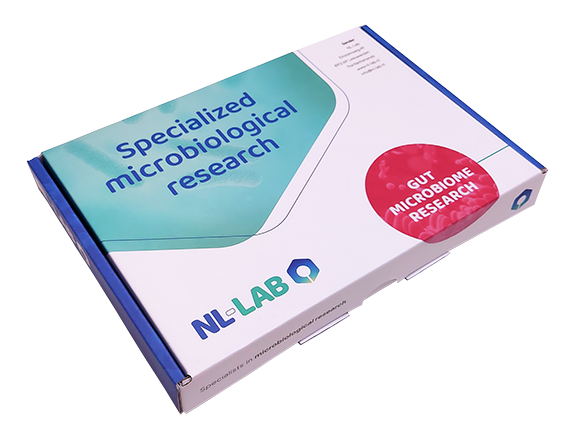
We are investigating the:
Neurotransmitter production capacity of:
serotonin, dopamine,noradrenaline, GABA,histamine, and we look at the overall gut balance.
Mind & Microbiome
The gut microbiome plays a direct role in the production of neurotransmitters and thereby influences mood, stress, sleep, and cognitive functioning.
The gut microbiome plays a direct role in the production of neurotransmitters and thereby influences mood, stress, sleep, and cognitive functioning.
The Mind & Microbiome Package provides insight into this biological layer.
The analysis maps disruptions in the gut ecosystem and neurotransmitter production and provides an additional framework within existing treatment pathways.
Based on the report, you will receive concrete dietary advice to specifically address biological imbalances, in addition to psychotherapy and/or medication.
The analysis is suitable for mood disorders, stress, burnout, sleep problems, anxiety, and concentration problems, particularly when symptoms persist, recur, or have a limited response to treatment.
The report
The analysis results in a comprehensive report of approximately 28 pages, in which the results and recommendations are presented in a clear and organized manner. The report is structured to provide both insight and direct applicability in practice.
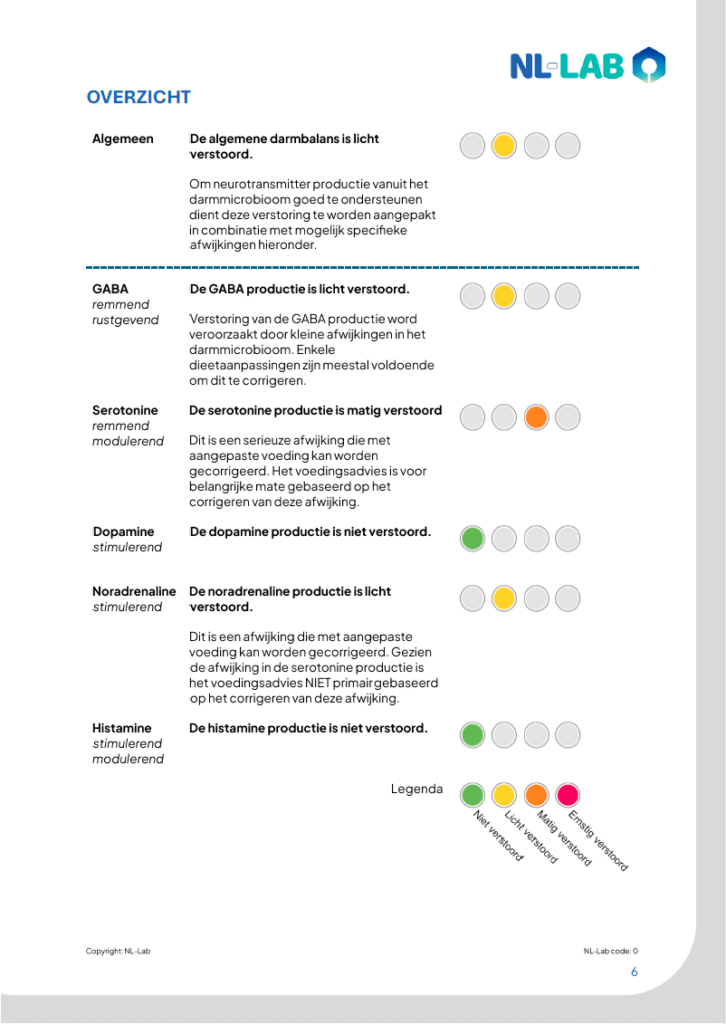
A traffic light model is used to assess neurotransmitter-related processes . This model makes it visible at a glance where balance exists and where potential disturbances lie, allowing for a quick determination of where intervention is desirable.
In addition, the report contains:
- Explanation of neurotransmitters such as serotonin, dopamine, norepinephrine, and GABA
- Insight into functional bacterial groups and their role within the gut microbiome
- Personalized nutritional advice, tailored to individual results
- Additional suggestions for potential supplementation, where relevant
Through this combination of data, explanation, and practical tools, the report offers a clear and structured framework for translating microbiological insights into concrete steps within the treatment process.
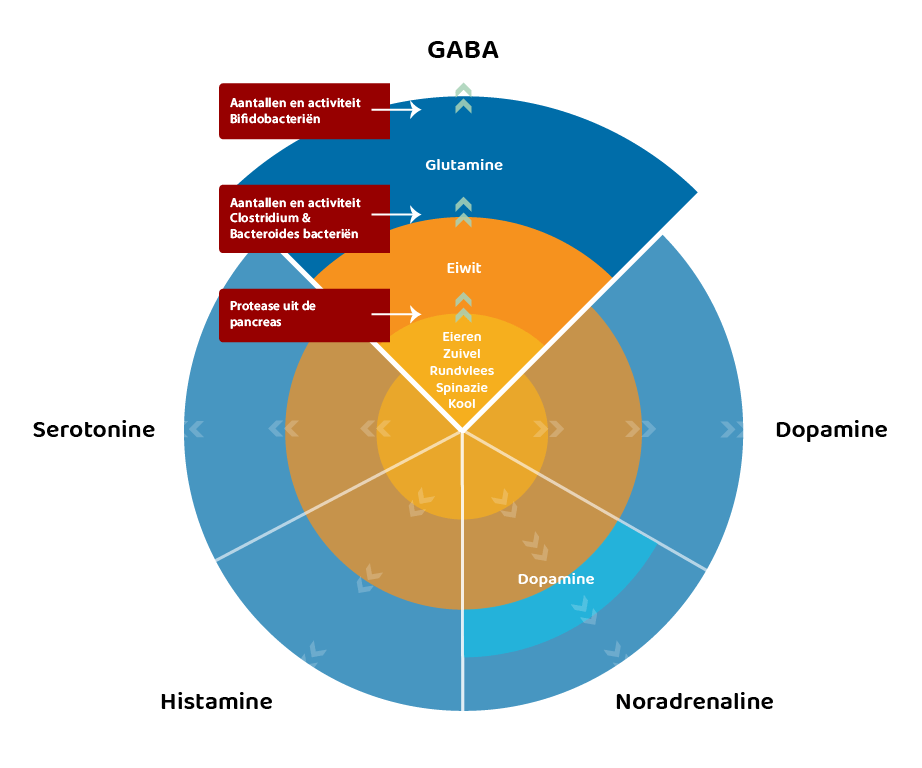
How do we measure neurotransmitter production capacity?
From nutrition to neurotransmitter in the gut
Nutrition forms the basis for the most important neurotransmitters. During digestion, the proteins in food are broken down by gut bacteria into so-called “intermediate products” (free amino acids).
These amino acids act as precursors for the production of neurotransmitters by other bacterial groups. In addition, fatty acids and micronutrients provide essential co-factors for these enzymatic steps.
The production of neurotransmitters therefore proceeds via a number of important steps, which are shown in the image below.
The steps described above are influenced by:
- Availability and number of the responsible bacteria
- Microbial activity of the bacteria
- Availability of those intermediate products
In summary: food provides amino acid precursors; these are converted via enzymatic intermediate steps into bioactive neurotransmitters that regulate nerve signaling.
Note: every pathway with a neurotransmitter as an end product looks different!
For whom?
The analysis can be used in patients with mental complaints where a biological component may play a role. Examples include mood disorders, stress and burnout symptoms, sleep problems, anxiety and panic disorders, and attention or concentration issues.
Particularly in cases of persistent or recurring symptoms, limited response to treatment, or the desire to use lifestyle interventions in a more targeted manner, the analysis can offer additional insights.
For applicants:
Practitioners and therapists, mental health psychologists and lifestyle physicians.
Treating people with…
- Mood disorders: depressive symptoms, gloominess, emotional imbalance, irritability
- Sleep problems: difficulty falling asleep and staying asleep, disrupted sleep-wake rhythm
- Stress and fatigue: chronic stress, restlessness, burnout symptoms
- Attention and concentration issues: concentration problems, ADHD-related complaints
- Anxiety and panic disorders: anxiety symptoms, panic attacks
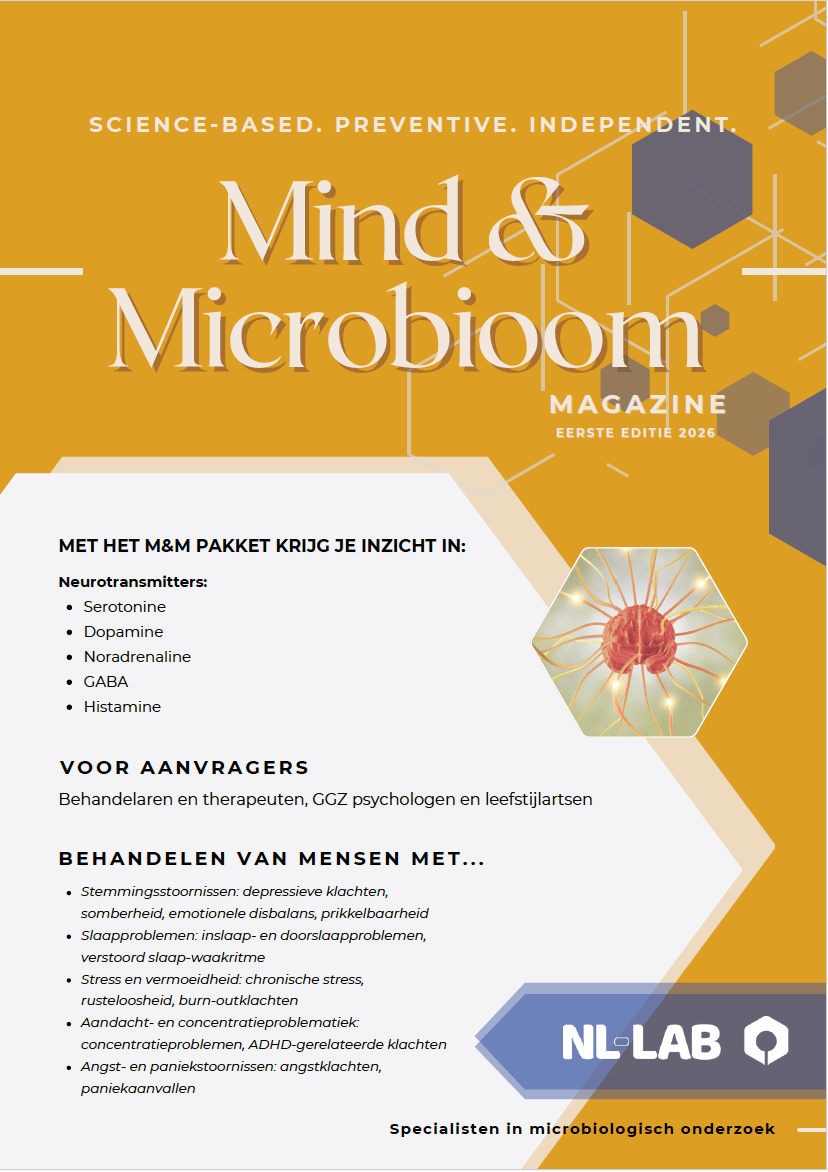
Read the free magazine here
The Mind & Microbiome assessment can only be requested by a practitioner, therapist, or psychologist, not by the client themselves. Supervision is required.